The Challenges of Industrial Procurement in the DR Congo
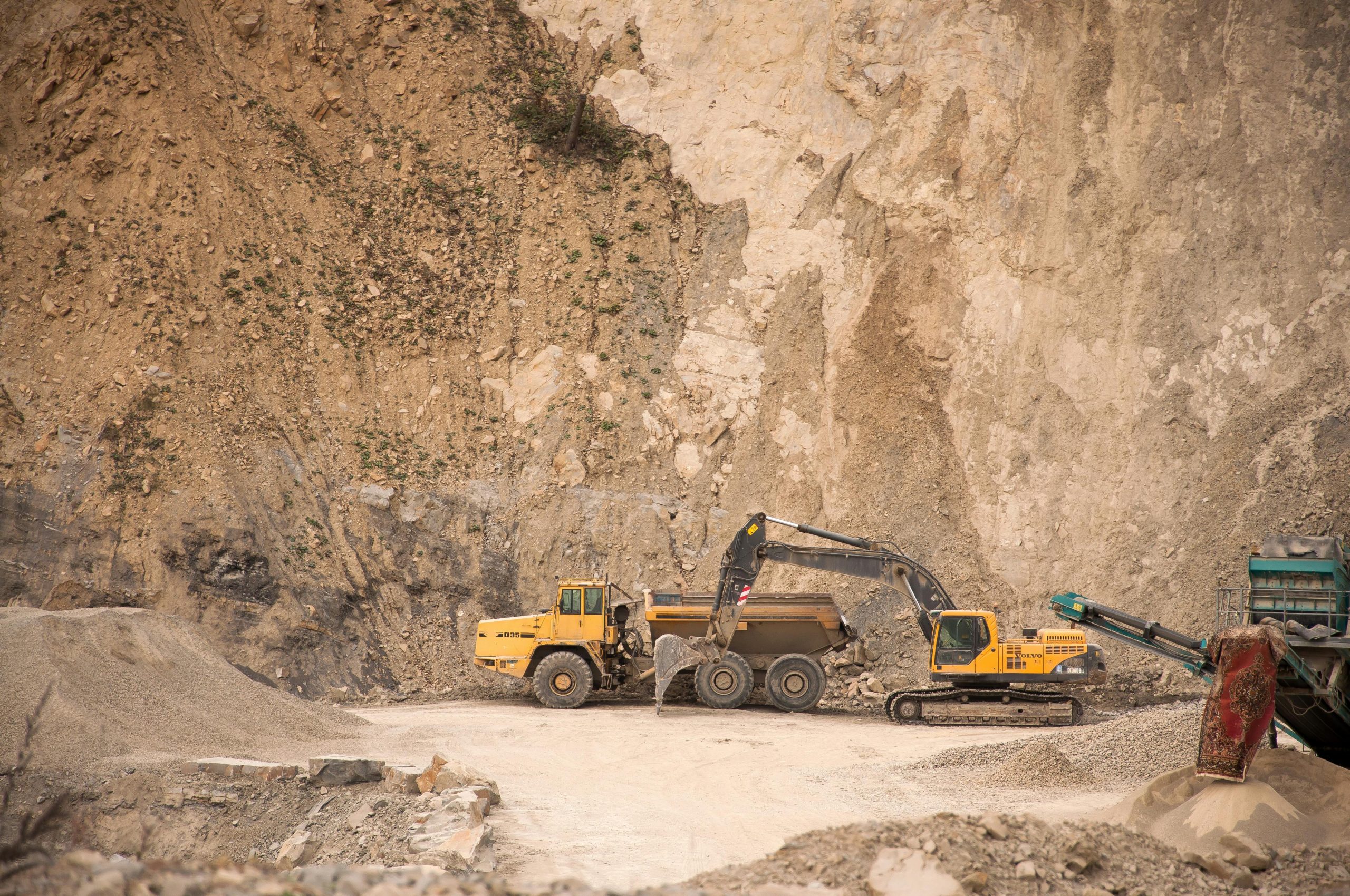
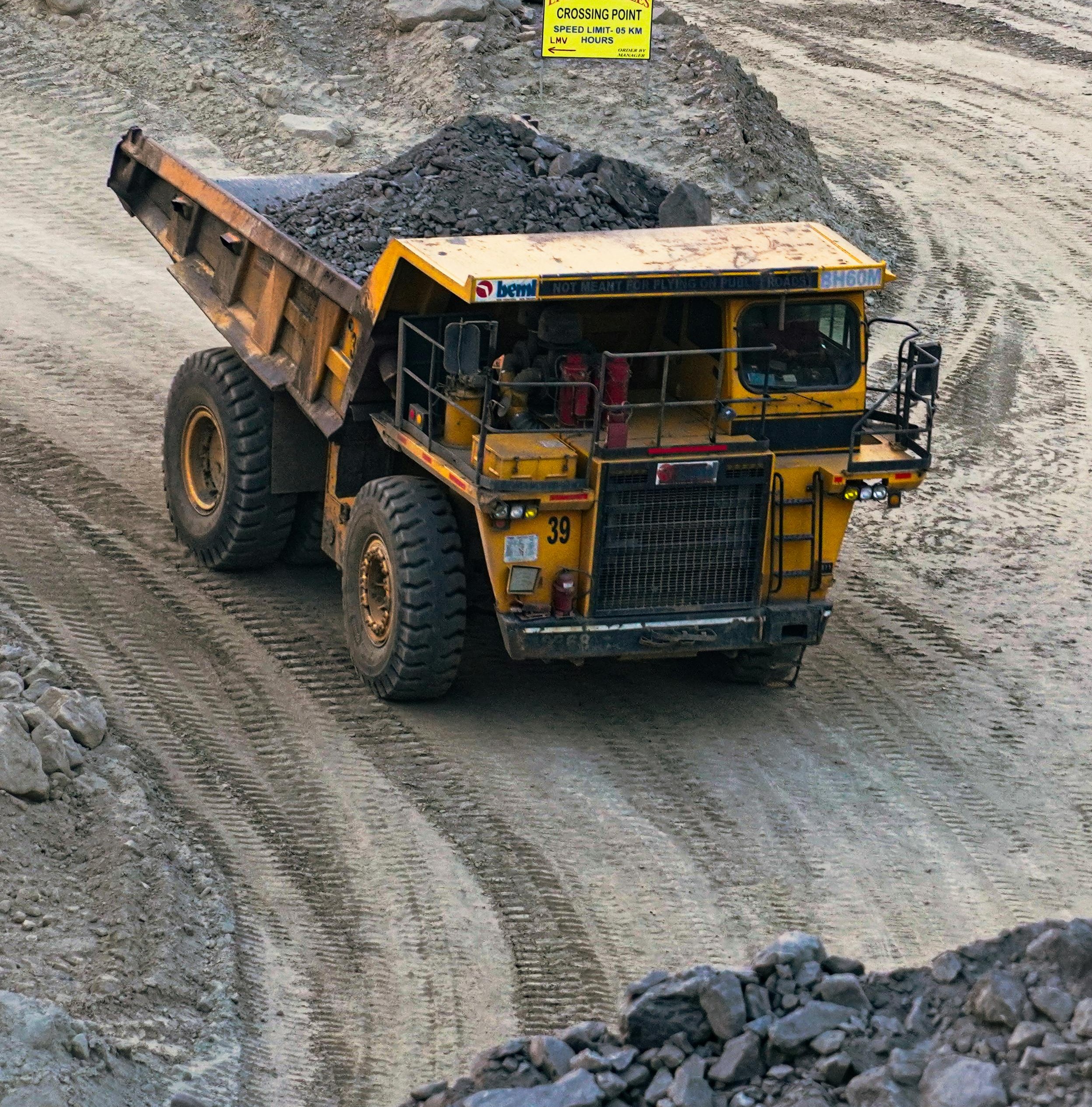
In the industrial sector of the Democratic Republic of the Congo, the supply of equipment and materials is essential to project success. Across mining sites, construction sites and infrastructure under development, needs are constant and evolving, but the operational reality on the ground remains complex and demanding.
A Fragmented Supply Chain
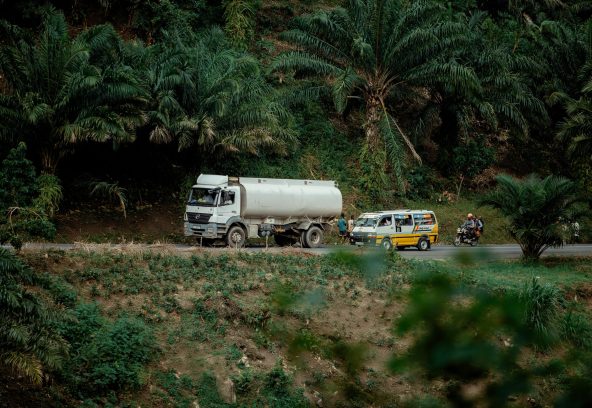
In practice, companies operate in an environment where the supply chain is often fragmented. Several parties, including suppliers, importers, carriers and local contractors, take part in the same project without real overall coordination. This multitude of players often leads to gaps in execution, loss of visibility over flows and delays that directly affect project progress.
Equipment Availability and Reliability
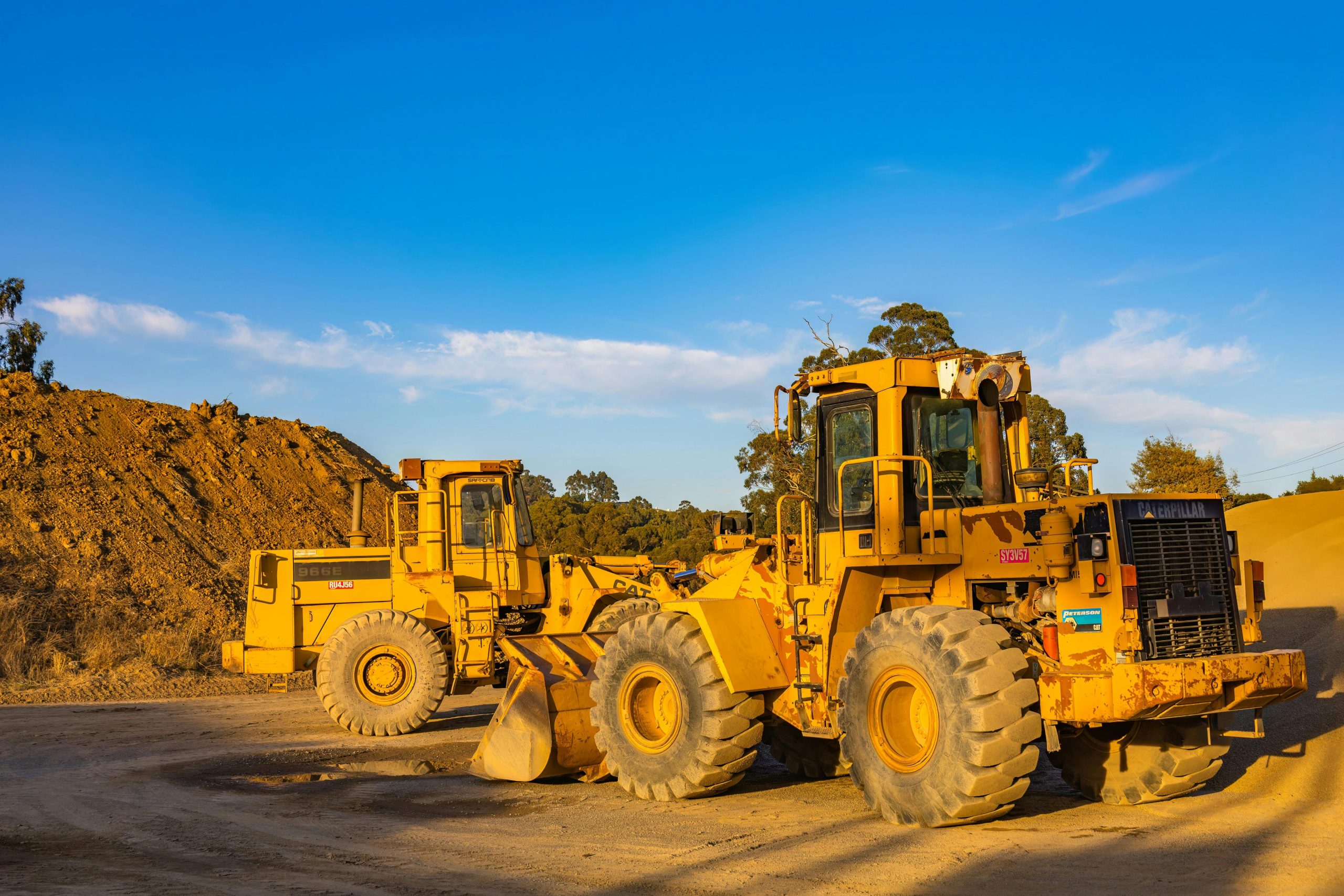
On top of this comes the question of equipment availability and reliability. In the mining and industrial sectors, operations require equipment that can work in demanding, sometimes extreme, conditions. Yet import lead times, transport constraints and a lack of equipment standardization often make it hard to obtain solutions that truly fit conditions on the ground.
A Direct Impact on Industrial Projects
These realities have a direct impact on overall project performance. A delay in equipment delivery or a break in the logistics chain can temporarily halt a site, increase operating costs and disrupt technical teams. Now that competitiveness has become a major issue, every delay is a significant strategic loss.
Toward a More Integrated Approach
Faced with these challenges, a new approach is gradually taking hold in the DRC’s industrial sector: service integration. The idea is to reduce fragmentation by bringing several functions together under a single partner able to handle procurement, logistics, coordination and technical support. This approach streamlines operations, shortens lead times and strengthens overall project control.
A Necessary Evolution of the Industrial Model
Following this logic, some companies are developing integrated models adapted to local realities, seeking continuity across every stage of the industrial process, from equipment supply to delivery on site and commissioning.
In this context, industrial procurement in the Democratic Republic of the Congo can no longer be seen as a mere technical step, but as a strategic lever that directly shapes project performance. Reliable partners, coordinated operations and control over flows are becoming essential to the success of industrial activities.